
The Living Soul of Culture: A Journey Through Time and Tradition
Ancient Traditions: The Roots That Hold the Present
Every culture is anchored by traditions—threads of wisdom passed down from ancestors who carved meaning into daily life through ritual, belief, and celebration. Ancient traditions act as a compass, guiding generations through changing times, often rooted in spirituality, agriculture, or celestial observation. From the intricate tea ceremonies of Japan to the seasonal harvest festivals in West Africa, these customs are more than relics of the past—they are living expressions of identity and belonging.
Take, for instance, the Navajo practice of weaving, which goes beyond creating cloth; it is a sacred art passed from mother to daughter, woven with songs, prayers, and stories of creation. In India, the lighting of oil lamps during Diwali represents the triumph of light over darkness—a symbol repeated year after year, echoing across centuries.
These practices, however small or grand, form a living memory. They link the past to the present, shaping how a society sees itself and interacts with the world.
Bustling Markets: The Pulse of Community
To understand the soul of a people, one must visit their markets. Whether nestled in narrow alleys or sprawled across open fields, local markets are where culture breathes most vividly. In the souks of Morocco, the aroma of spices mingles with the call of merchants; in Thailand’s floating markets, colorful boats carry mangoes, silk, and stories. These are not just places of commerce—they are the heartbeats of daily life.
Markets are where generations meet, gossip flows like currency, and traditions are bought, sold, and preserved. They are often the first place where children learn the art of negotiation, where artisans proudly display their heritage in handmade wares, and where food—deeply tied to tradition—nourishes not just the body but the collective memory of a people.
Beyond their economic role, markets are social theatres. They reflect the community’s resilience, its creativity, and its evolution. Each stall, each transaction, is a conversation between the past and present.
Local Music and Sacred Dances: The Rhythm of the Spirit
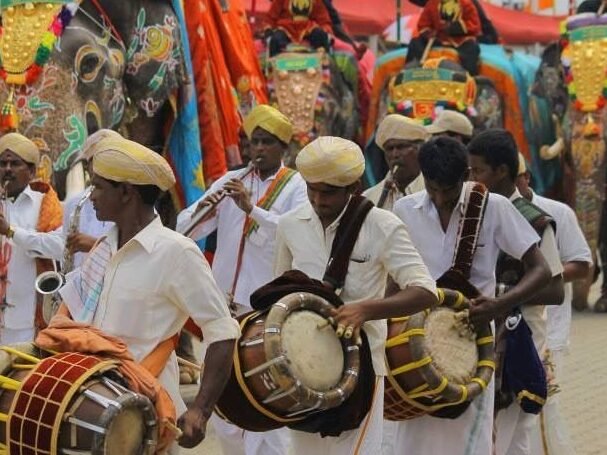
Music and dance are perhaps the most visceral expressions of a culture’s inner life. They speak a language older than words—one of rhythm, movement, and emotion. Local music, often rooted in oral traditions, is a powerful archive of a people’s joy, grief, struggle, and hope.
In Mali, the griots—musical storytellers—preserve history through praise songs and epic poetry. In the Andes, pan flutes and charangos echo through valleys, echoing centuries of indigenous resilience. Each note tells a story that textbooks cannot capture.
Sacred dances, too, are powerful. In Bali, the Barong dance dramatizes the eternal battle between good and evil, performed with devotion, elaborate costumes, and trance-like states. In Native American tribes, dances are spiritual offerings, performed during powwows or seasonal rites. The movement is prayer, the beat is heartbeat, and the dance becomes a bridge between the physical and the divine.
Timeless Architecture: Stories Etched in Stone
Architecture is more than construction—it is the soul of a culture made visible. From adobe dwellings in the American Southwest to the towering temples of Angkor Wat, architecture reflects how a society understands space, spirit, and beauty.
In Islamic cities, the intricate tilework and courtyards speak of a culture that values privacy, light, and inner harmony. In Europe’s Gothic cathedrals, one sees faith made grand through soaring arches and stained glass. In African tribal villages, homes are built in circles, emphasizing community and connection to nature.
These structures endure not only because they were built to last, but because they carry meaning. Walls are etched with symbols, altars aligned with celestial bodies, doorways designed with ritual in mind. Through architecture, the ancestors continue to speak.
Daily Rituals: The Invisible Threads of Continuity
While festivals and monuments often capture attention, it is the quiet repetition of daily rituals that most powerfully shapes a people. Lighting incense at dawn, sharing tea at sunset, sweeping the doorstep each morning—these small acts hold great significance.
In Japan, the concept of ichigo ichie (one time, one meeting) reminds people to treasure every interaction. In Ethiopia, the coffee ceremony is a daily ritual that builds community and respect. In rural Mexico, families gather for evening meals, often beginning with a prayer or blessing for the land.
These rituals are more than habits; they are identity in motion. They reaffirm values, strengthen bonds, and keep the sacred alive in everyday life.
Conclusion: Culture as a Living Flame
Across time and geography, it is these elements—traditions, markets, music, dance, architecture, and rituals—that form the soul of a culture. They do not remain frozen in the past but evolve gently, shaped by modern hands yet lit by ancient fire.
To walk through a marketplace, to hear a lullaby sung in a native tongue, to witness a sacred dance under the stars—is to witness the living story of a people. It is to understand that culture is not a museum piece, but a flame passed from generation to generation, warming the hearts of those who carry it forward.